 ultimate-guide
What Makes Authentic Mediterranean Cuisine Unique?
Last Updated: November 2, 2026
Quick Summary
Authentic mediterranean cuisine is a family of regional kitchens that share a sea, a climate and core staples such as olive oil, grains, legumes, fresh produce and seafood. Its uniqueness comes from simple techniques that let those quality ingredients lead, rather than from elaborate methods.
- Olive oil forms the backbone of the cuisine, and stale or flavorless oil flattens the whole plate.
- Herbs like oregano, thyme, mint and parsley are added generously, often fresh.
- Coastal kitchens build meals around the morning catch, usually grilled whole or simply roasted.
- Slow braises and wood or charcoal grilling are central to traditional preparation methods.
- Authenticity shows in a seasonal menu, in-house preparation and cooking with olive oil and fresh herbs.
Table of Contents
- Why Mediterranean Cuisine Is More Than One Kitchen
- Mediterranean Cuisine Ingredients That Define the Table
- Traditional Mediterranean Dishes and How They Are Made
- Mediterranean Food Traditions: Seasons, Sharing and Slow Cooking
- What Separates Mediterranean From Middle Eastern Food
- How to Choose a Mediterranean Restaurant That Cooks Authentically
- Booking Your Next Mediterranean Meal at Siena in Alpharetta
- Frequently Asked Questions
Why Mediterranean Cuisine Is More Than One Kitchen
Mediterranean cuisine is not one cooking tradition. It is a family of regional kitchens that share a sea, a climate and a handful of core ingredients, yet cook them in very different ways. This guide explains what makes Mediterranean cooking authentic and how to tell it apart from imitations.
The Mediterranean basin touches more than a dozen countries across Southern Europe, North Africa and the Levant. A grilled fish in coastal Greece, a slow-simmered lamb dish in southern Italy and a bowl of lentils in Lebanon all belong to the same broad family, but none of them is interchangeable with the others. Treating the whole region as a single cuisine is the first mistake most diners make.
Mediterranean cuisine is a regional food culture built on olive oil, grains, legumes, fresh produce and seafood, prepared with simple techniques that let those ingredients lead. That definition is what separates the real thing from a menu that simply adds hummus to a list of pasta dishes.
Mediterranean Cuisine Ingredients That Define the Table
Ingredients explain most of what diners taste when a Mediterranean kitchen is working well. The region's cooks rely on a short list of staples, and the quality of those staples matters more than any elaborate technique.
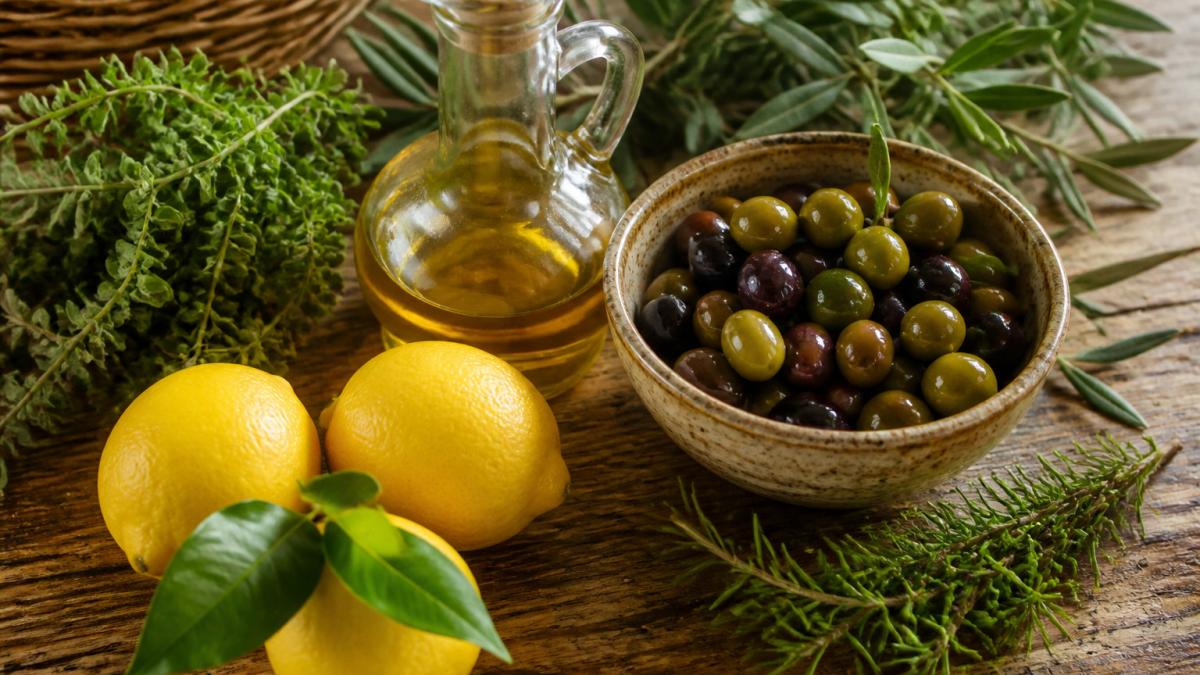
Olive Oil, Herbs and Citrus
Olive oil is the backbone of the cuisine. Herbs such as oregano, thyme, mint and parsley are added generously and often fresh, while citrus brightens grilled fish and salads. A common mistake is using stale, flavorless oil or dried herbs past their prime, which flattens the entire plate. Prioritizing the vibrant, peppery notes of the best fresh olive oil ensures that every drizzle elevates the natural character of your ingredients rather than masking them.
Seafood, Grains and Legumes
Coastal kitchens build meals around whatever the local fishing fleet landed that morning, usually grilled whole or simply roasted. Grains such as bulgur, farro and couscous and legumes like chickpeas and lentils make up much of the everyday diet in both coastal and inland regions.
The core staples that shape Mediterranean cooking, and what to watch for in each.
| Ingredient | Role on the plate | Common mistake |
|---|---|---|
| Olive oil | Backbone of the cuisine | Stale, flavorless oil |
| Herbs (oregano, thyme, mint, parsley) | Added generously, often fresh | Dried herbs past their prime |
| Citrus | Brightens grilled fish and salads | Left out of the dish |
| Seafood | Grilled whole or simply roasted | Not tied to the morning catch |
| Grains (bulgur, farro, couscous) | Everyday staple in coastal and inland regions | Treated as a side only |
| Legumes (chickpeas, lentils) | Everyday staple in coastal and inland regions | Treated as a side only |
Traditional Mediterranean Dishes and How They Are Made
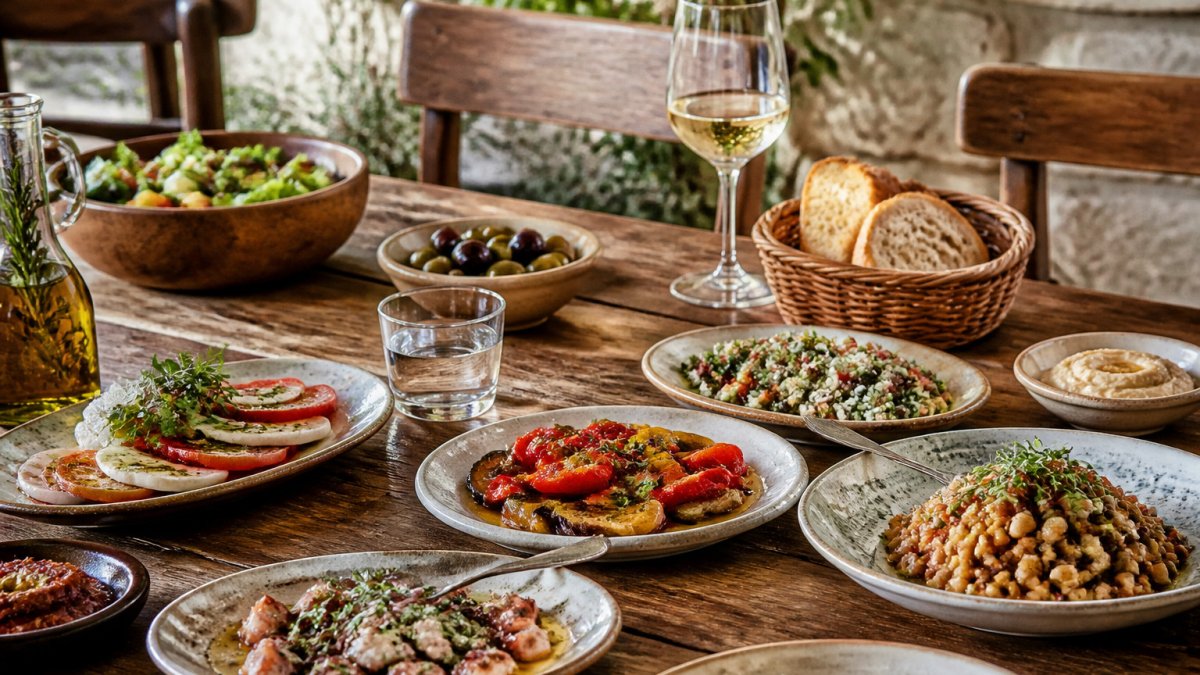
Traditional dishes follow method as much as recipe. Slow braises, open-flame grilling and cold preparations such as salads and mezze each draw out a different side of the same ingredients.
Many traditional preparations are built on patience. Stews and braises are cooked low and slow so that tough cuts soften and sauces thicken naturally, without shortcuts. Grilling over wood or charcoal adds a smoky depth that a gas grill rarely matches. Cold dishes depend on careful salting and acid balance rather than heat.
Ask how a dish is made before assuming it is traditional.
Reserve →
Mediterranean Food Traditions: Seasons, Sharing and Slow Cooking
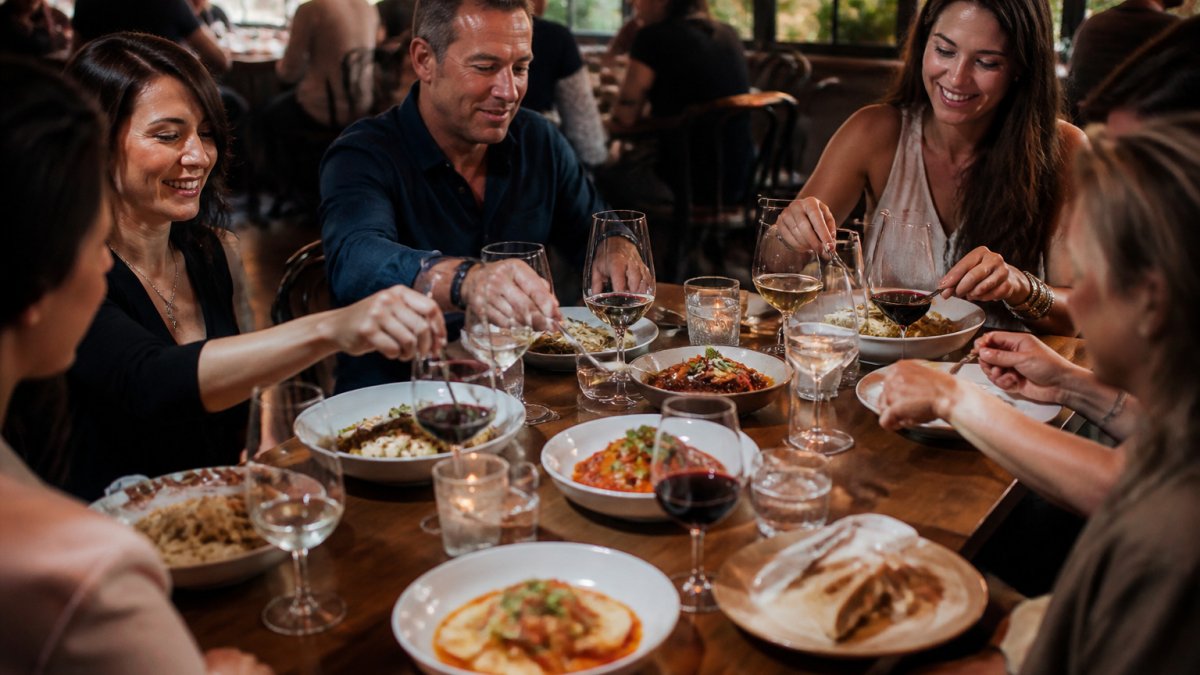
Food traditions in the region are tied to the calendar. Cooks lean on what is in season, whether that means summer tomatoes and eggplant or winter greens and root vegetables, and menus change accordingly. The meal itself is social: plates are shared, conversation runs long and the table is treated as the centre of the evening.
Slow cooking and seasonal produce are not marketing ideas here. They are how the food has been made for generations.
What Separates Mediterranean From Middle Eastern Food
Mediterranean and Middle Eastern cooking overlap heavily, and many restaurants blur the line. Mediterranean cuisine as most diners know it leans on olive oil, fresh seafood, pasta and grilled meats from the European and North African shores. Middle Eastern cooking, in its Levantine and Gulf forms, puts more weight on spice blends, dried fruit, nuts and rice-based dishes. Both traditions use chickpeas and herbs, which is why the boundary is often confusing. The practical difference shows up on the plate: a Mediterranean menu will feature grilled fish and pasta, while a Middle Eastern one will feature spiced rice and charcoal-grilled skewers.
How to Choose a Mediterranean Restaurant That Cooks Authentically
Authenticity is easier to judge than most diners expect. Look for a menu that changes with the season, ask which dishes are made in house, and notice whether the kitchen cooks with olive oil and fresh herbs rather than heavy sauces. Our guide to the seven signs of an authentic Mediterranean dining experience walks through these checks in more detail before you book. A restaurant that names its suppliers and explains its cooking methods is usually more transparent about quality than one that does not.
Booking Your Next Mediterranean Meal at Siena in Alpharetta
Siena serves Mediterranean and Italian dishes in Alpharetta, including handmade pasta and fresh Mediterranean plates. Read about the restaurant's Mediterranean menu highlights, parking and reservations. You can browse the full menu on our website before you arrive. When you are ready to plan a visit, use our reservations page to choose a date and party size. For a casual meal, check our website for current happy hour times.
Frequently Asked Questions
What makes Mediterranean cuisine unique?
Mediterranean cuisine is built on a shared set of ingredients: olive oil, vegetables, legumes, grains, herbs, citrus and seafood, combined with cooking methods that favor simplicity and fresh produce. Its regional variety comes from local growing conditions and trade history rather than one national recipe book. What ties the cuisine together is the emphasis on seasonal ingredients and communal, unhurried meals rather than any single dish.
What are the main ingredients in authentic Mediterranean food?
Authentic Mediterranean food relies heavily on extra virgin olive oil, tomatoes, garlic, onions, leafy greens, chickpeas and lentils, wheat and rice, fresh herbs such as oregano, mint and parsley, and lemons. Fish and shellfish are common in coastal regions, while cheese and yogurt appear across many areas. Ingredients are usually chosen for what is in season, which is one reason flavors change through the year.
How can you tell if a Mediterranean restaurant is authentic?
Look for a menu that changes with the seasons, dishes prepared from scratch such as fresh pasta and house-made dips, and olive oil and herbs used prominently rather than masked by heavy sauces. Staff who can explain where ingredients come from and how dishes are traditionally prepared are a good sign. Be cautious when every menu item is fried or drowned in cream, since that often signals a generic version of the cuisine.
What should you order at a Mediterranean restaurant in Alpharetta?
Start with a seasonal vegetable plate or grilled bread with olive oil, then move to a handcrafted pasta or a fresh Mediterranean plate. Asking your server which dishes are seasonal that week is a practical way to find the most fresh and flavorful options. For groups, sharing several plates lets everyone sample more of the menu.
Reserve Your Table at Siena
Siena serves seasonal Mediterranean and Italian cooking in the heart of Alpharetta, with handcrafted pasta, fresh plates and a warm room built for long dinners. RESERVATIONS