 listicle
How to Experience Farm to Table Restaurant Dining
Last Updated: October 25, 2026
Quick Summary
Farm to table restaurant dining connects you directly to local ingredients at peak freshness, offering superior flavor, higher nutrient density, and transparency about your food's origin. This approach supports local farmers, reduces environmental impact through shorter supply chains, and aligns your meals with seasonal produce that matches your body's nutritional needs throughout the year.
- Seasonal produce contains higher nutrient density when grown and eaten in its natural season, according to the American Journal of Clinical Nutrition.
- Regional food systems reduce transportation emissions by 80-90% compared to conventional supply chains spanning 1,500+ miles, per USDA sustainability guidelines.
- Genuine farm to table restaurants change menus every few weeks as harvests shift and can name specific farms where ingredients come from.
- Ingredients harvested hours before service retain flavor compounds, nutrients, and texture that diminish during long-distance shipping and storage.
Table of Contents
- What Farm to Table Restaurant Dining Offers
- How Fresher Ingredients Improve Taste and Quality
- The Benefits of Seasonal Eating at Farm to Table Restaurants
- Farm-to-Table Sustainability and Its Environmental Impact
- Supporting Local Farmers and Your Community
- How to Identify Farm-to-Table Restaurants Worth Your Visit
- Plan Your Next Farm to Table Dining Experience
- Frequently Asked Questions
What Farm to Table Restaurant Dining Offers
Farm to table restaurant dining represents a direct connection between what grows locally and what lands on your plate. At Siena Restaurant in Alpharetta, this philosophy isn't marketing language, it's the foundation of how we build every menu and source every ingredient.
When you choose a farm to table restaurant, you're choosing transparency. You know where your food comes from. You understand the hands that grew it and prepared it. This directness changes everything about the meal itself.
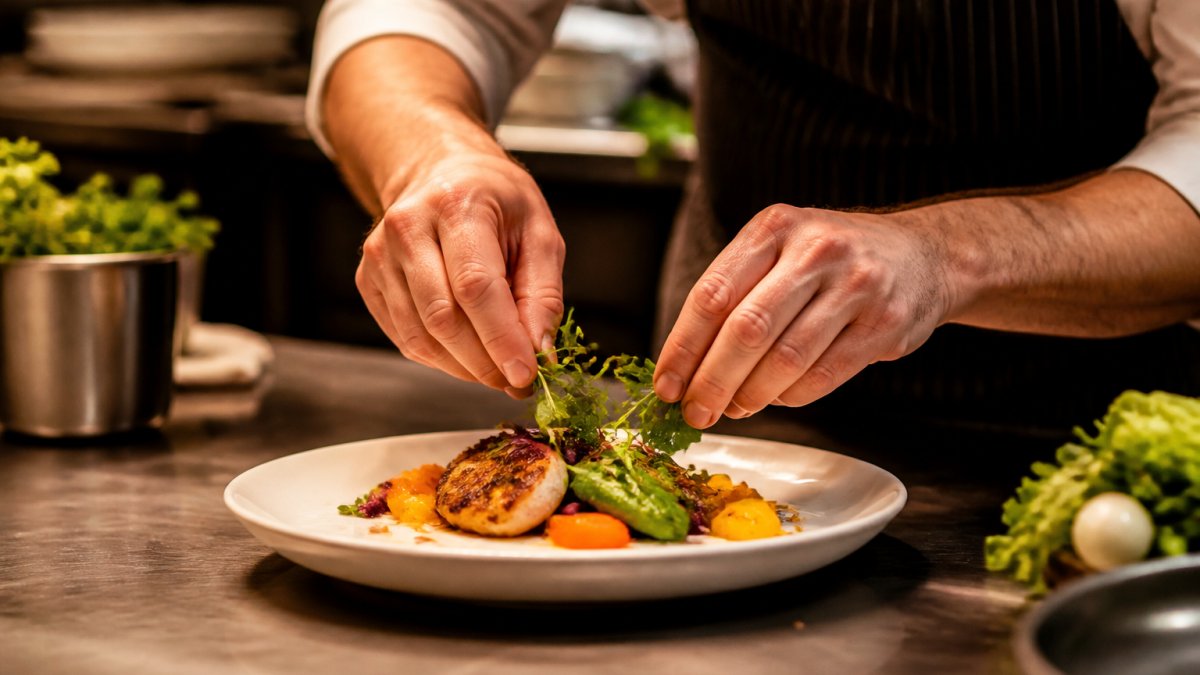
The farm to table restaurant dining experience differs fundamentally from conventional restaurants. Traditional establishments build menus around what they can source consistently year-round, often from distant suppliers, often picked before peak ripeness. Farm to table restaurants work backward. They ask local farmers what's ready now, then build dishes around those ingredients at their peak.
This isn't just about freshness. It's about flavor, nutrition, and knowing your food's story before you taste it. When you dine at a farm to table restaurant, you're part of a relationship between producer and consumer that most dining experiences never offer.
How Fresher Ingredients Improve Taste and Quality
Fresher ingredients taste noticeably better. This isn't subjective, it's chemistry. The moment produce is harvested, it begins losing flavor compounds and nutrients. Vegetables picked days ago and shipped hundreds of miles arrive diminished. Ingredients harvested that morning arrive at their peak.
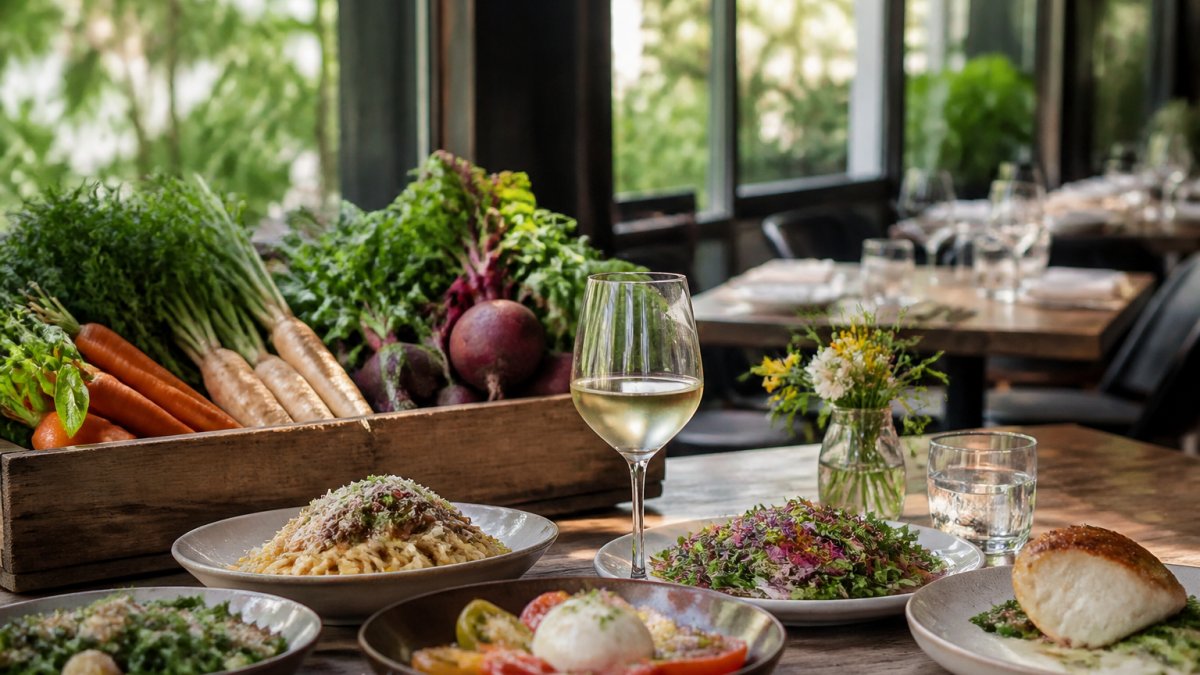
At a farm to table restaurant dining establishment, the time between harvest and plate measures in hours, not weeks. Tomatoes retain their acidity and complexity. Herbs stay vibrant and aromatic. Proteins taste cleaner because they came from known sources with known practices.
Quality also means consistency. When you explore what makes chef-driven restaurants different, you discover that chefs who work with local farmers develop relationships. These farmers prioritize quality over volume. They pick specific items at specific ripeness levels because they know exactly how the chef will use them. This partnership produces food that tastes intentional, because it is.
The difference shows immediately. A salad made with lettuce harvested that morning holds its texture and brightness through the meal. Greens shipped from across the country wilt and lose their character. A piece of fish from a known local source tastes clean and delicate. Fish from an unknown supply chain often carries the taste of its own journey.
The Benefits of Seasonal Eating at Farm to Table Restaurants
Seasonal eating aligns your diet with nature's rhythms. Your body needs different nutrients at different times of year. Spring greens support renewal and detoxification. Summer fruits provide hydration and antioxidants. Fall squashes offer grounding minerals. Winter roots build warmth and sustenance.
A farm to table restaurant dining menu changes to match these needs. You're not fighting against the seasons, you're eating with them. This isn't restriction. It's abundance organized by time.
Nutritional research from the American Journal of Clinical Nutrition demonstrates that seasonal produce contains higher nutrient density when grown and eaten in its natural season. Your body recognizes and absorbs these nutrients more efficiently.
Seasonal menus also teach you to cook differently across the year. Winter calls for roasting and braising. Summer invites raw preparations and light dressings. Fall brings pickling and preservation. This variety keeps your palate engaged and your kitchen skills sharp.
When you read more about why seasonal menus matter for fine dining, you'll understand how seasonal eating transforms dining from consumption into participation. You become aware of the agricultural calendar. You notice when strawberries arrive and when they disappear. You anticipate asparagus season and mourn its end. This awareness deepens your connection to food and place.
Farm to table restaurants align your meals with seasonal produce that matches your body's nutritional needs throughout the year.
| Season | Primary Benefits | Cooking Methods |
|---|---|---|
| Spring | Renewal and detoxification support | Light preparations |
| Summer | Hydration and antioxidants | Raw preparations and light dressings |
| Fall | Grounding minerals | Pickling and preservation |
| Winter | Warmth and sustenance building | Roasting and braising |
Farm-to-Table Sustainability and Its Environmental Impact
Farm to table restaurant dining reduces the environmental cost of your meal significantly. Conventional supply chains move food thousands of miles. Trucks, trains, and planes burn fuel. Refrigeration and packaging multiply the carbon footprint.
Local sourcing eliminates most of this distance. Ingredients travel from nearby farms to nearby kitchens. The environmental math becomes dramatically simpler.
Sustainable farming practices also matter. Local farmers who work directly with restaurants often use methods that regenerate soil and support biodiversity. They're not optimizing for shelf life and shipping durability, they're optimizing for flavor and land health. These goals align naturally.
Water usage drops significantly when you eat locally and seasonally. Crops grown in their natural season need less irrigation. Crops shipped globally require heavy refrigeration and moisture management throughout transport. The water savings compound across every meal.
Beyond environmental metrics, farm to table restaurant dining supports agricultural diversity. When chefs request specific varieties because they taste better, farmers grow them. This preserves genetic diversity that industrial agriculture has eliminated. You're eating history when you eat heirloom tomatoes or heritage breed chicken. Cultivating these rare crops often aligns with the restorative practices found on regenerative agriculture farms, where the connection between soil health and flavor becomes a tangible part of the landscape.
Reserve →
USDA sustainability guidelines for local food systems confirm that regional food systems reduce transportation emissions by 80-90% compared to conventional supply chains spanning 1,500+ miles.
Supporting Local Farmers and Your Community
When you dine at a farm to table restaurant, your money flows directly to local farmers. This isn't abstract economics, it's real income for real people in your region. Farmers can invest in their land, equipment, and families. They can afford to prioritize quality over volume because restaurants like Siena Restaurant commit to buying their best work.
This relationship strengthens communities. Farmers stay in business. Agricultural land remains in production instead of being developed. Local food knowledge passes between generations. The economic multiplier effect means money spent at a farm to table restaurant circulates locally multiple times.
You'll find that discovering Siena's story and seasonal ingredient philosophy reveals how deeply this commitment runs. We work with specific farmers we know by name. We understand their challenges and their seasons. We plan menus together.
This partnership creates accountability. If something tastes off, we talk about it directly. If a farmer discovers a new variety worth trying, we experiment together. This collaboration produces better food and stronger relationships.
Supporting local agriculture also means supporting land stewardship. Farmers who sell to restaurants nearby have incentive to practice sustainable methods. They're not racing to maximize yield for commodity prices. They're building soil health and biodiversity because their buyers care about these things.
How to Identify Farm-to-Table Restaurants Worth Your Visit
Look for menus that change frequently. If the same dishes appear month after month, the restaurant isn't following seasons. A genuine farm to table restaurant dining establishment changes its menu every few weeks as harvests shift.
Ask where ingredients come from. Real farm to table restaurants can name their sources. They know which farm grew the vegetables. They know the fishery where the seafood came from. They're proud of these relationships and eager to share them.
Check for seasonal descriptions on the menu. Dishes should reference what's in season: "spring peas," "summer stone fruit," "fall root vegetables," "winter citrus." These descriptions signal that the kitchen thinks seasonally.
Visit during different seasons. A restaurant's commitment to farm to table restaurant dining shows in the consistency of quality across seasons. Some places do summer beautifully but struggle in winter. Others maintain excellence throughout the year.
Read recent reviews. Look for comments about freshness, flavor, and ingredient quality. Diners who understand food notice when vegetables taste vibrant and proteins taste clean. These observations indicate a restaurant that prioritizes ingredient quality.
Plan Your Next Farm to Table Dining Experience
The best time to experience farm to table restaurant dining is now. Seasons change constantly. Spring vegetables disappear by summer. Summer fruit fades as fall arrives. Waiting means missing what's currently at its peak.
View the Siena Restaurant menu to see what's available right now. Our seasonal approach means the menu reflects what our local farmers have ready today. You'll see dishes built around ingredients at their absolute best.
Consider what season brings you in. Spring dining features tender greens, asparagus, and fresh herbs. Summer brings stone fruits, heirloom tomatoes, and light preparations. Fall offers mushrooms, squashes, and earthier flavors. Winter provides citrus, root vegetables, and warming preparations.
Plan for an experience, not just a meal. Farm to table restaurant dining invites you to slow down and notice flavors you might otherwise miss. Come hungry and curious. Ask your server about ingredients and preparations. Taste how freshness changes everything.
Reserve a table at Siena for your next celebration, date night, or gathering with people who appreciate good food. We offer brunch, dinner, and happy hour across diverse occasions. Whether you're marking an anniversary, connecting with colleagues, or simply wanting to eat well, we've designed our space and menu to make you feel welcome.
Frequently Asked Questions
What are the main benefits of farm to table restaurant dining?
Farm to table restaurant dining delivers fresher ingredients, more flavorful dishes, and stronger support for local agriculture. Because ingredients travel shorter distances, they reach your plate at peak ripeness and nutritional value. You also gain peace of mind knowing where your food comes from, and your spending directly supports farmers and producers in your region rather than distant industrial suppliers.
How does seasonal eating at a restaurant improve the dining experience?
Seasonal menus showcase ingredients at their best, picked when ripe, not shipped green or stored for months. Spring vegetables taste brighter, summer fruits taste sweeter, and fall crops offer deeper flavors. Chefs also design dishes around what's available, creating menus that reflect the season's natural rhythm. This variety keeps the dining experience fresh and prevents menu fatigue.
How can I identify a truly farm-to-table restaurant versus one using the label without the commitment?
Look for restaurants that name specific farms or producers on the menu, change their menu seasonally, and can describe their sourcing practices when asked. Authentic farm-to-table establishments list purveyors by name, highlight local partnerships, and staff can explain where ingredients come from. Visit their website or call ahead to ask about their sourcing practices and how often their menu changes.
Does farm-to-table dining actually support local farmers and sustainability?
Yes. Direct relationships between restaurants and farms reduce transportation emissions, minimize packaging waste, and ensure farmers receive fair prices for their crops. Farm-to-table restaurants also reduce food waste by designing menus around what's actually in season and available locally, rather than demanding year-round availability of specific ingredients that require long-distance shipping or energy-intensive storage.
The farm to table restaurant dining experience transforms how you think about food. It connects you to seasons, to farmers, to land, and to the people around your table. In Alpharetta, Siena Restaurant embodies this philosophy through handcrafted pasta, fresh Mediterranean plates, and a genuine commitment to seasonal ingredients sourced from local farms and trusted purveyors. When you're ready to experience the difference that freshness and intention make, we're here.