 how-to
What Makes Chef-Driven Restaurants Different
Table of Contents
- Chef-Driven Restaurant Meaning: More Than a Job Title
- Chef-Driven vs. Traditional Restaurant: Where the Two Diverges
- Seasonal Menus in Restaurants: Why the Menu Changes Before You Ask
- What to Expect at a Chef-Driven Restaurant: Service, Pace, and the Table
- The Kitchen Habits That Keep Quality Consistent
- Is a Chef-Driven Restaurant Worth the Price?
- Conclusion
- Frequently Asked Questions
Last Updated: October 16, 2026
Chef-Driven Restaurant Meaning: More Than a Job Title
Chef-driven restaurants are dining establishments where a named chef leads the kitchen and shapes the menu, rather than following a corporate playbook set by an owner or chain. That chef controls what gets cooked, how it is sourced, and how it is served. At Siena Restaurant in Alpharetta, GA, we built our kitchen around exactly that model, and it changes everything from how we buy ingredients to how we plate your dinner.
The phrase gets thrown around loosely. Many places call themselves chef-driven because they hired someone with a culinary degree. That is not the same thing.
Who Actually Runs the Kitchen
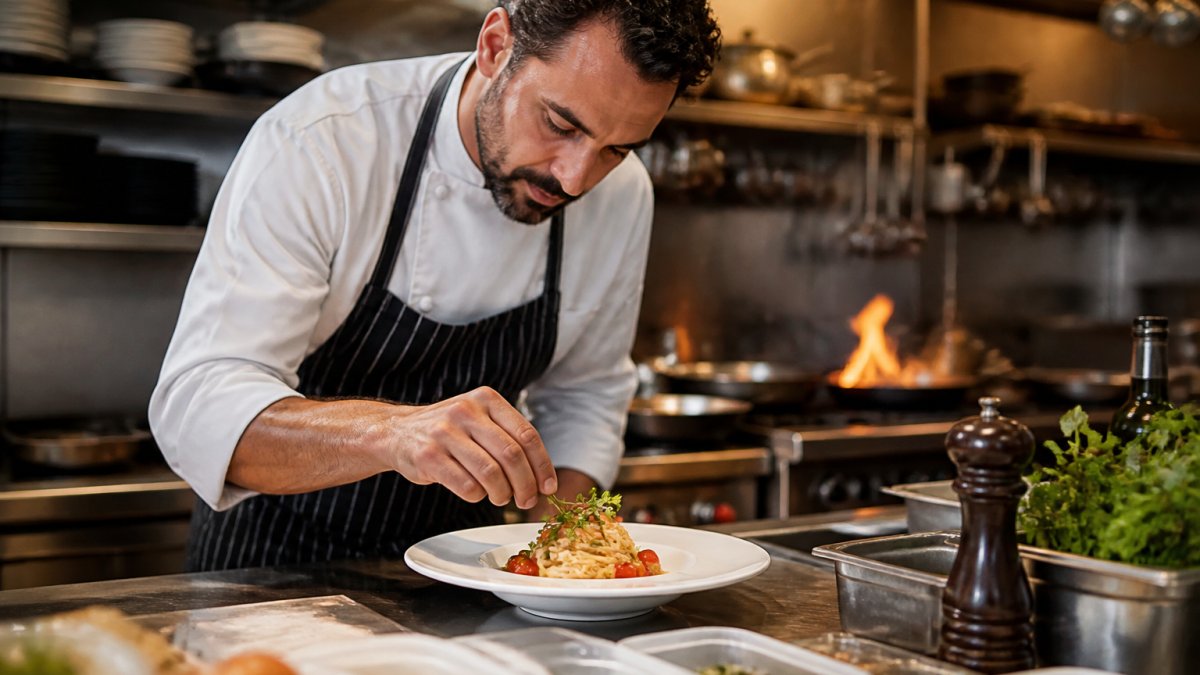
In a true chef-driven kitchen, the chef writes the menu. Full stop. They decide which farms to buy from, which dishes rotate out, and which techniques the line cooks master.
In a traditional restaurant, the owner or a corporate office sets the menu. The kitchen staff executes it. The chef may have little say in what appears on your plate.
Here is the practical difference:
- Chef-driven: the chef picks the purveyors, tastes every batch, and changes dishes based on what looks good that week
- Traditional: a fixed menu repeats year-round, often built from a central spec sheet
- Chef-driven: the kitchen adjusts when a delivery falls short or a crop peaks early
- Traditional: consistency comes from standardized portions and pre-made components
That last point matters. A chef who tastes and adjusts is protecting your dinner in real time. A spec sheet cannot do that.
Chef-Driven vs. Traditional Restaurant: Where the Two Diverges
The clearest split between a chef-driven and a traditional restaurant comes down to control and flexibility. In a chef-driven spot, one person owns the outcome of your meal. In a traditional spot, a system owns it.
Think about how each handles a problem. If the tomatoes arrive bland, a chef-driven kitchen reworks the dish or drops it for the night. A traditional kitchen serves it anyway, because the menu says so.
The differences stack up:
- Sourcing: chefs build relationships with local farms and trusted purveyors; chains buy through distributors
- Menu changes: chefs rotate dishes with the seasons; traditional menus stay fixed
- Staff training: chefs teach technique and explain why a dish works; traditional kitchens train to a checklist
- Pacing: chefs time courses to the table; traditional kitchens push food out as tickets print
None of this makes traditional restaurants bad. Plenty of them serve reliable, affordable food. But reliability and craft pull in different directions.
Seasonal Menus in Restaurants: Why the Menu Changes Before You Ask
A seasonal menu in a restaurant means the kitchen builds dishes around what is actually ripe and available right now, not what ships frozen year-round. That is why a chef-driven menu can look different in April than it does in October.
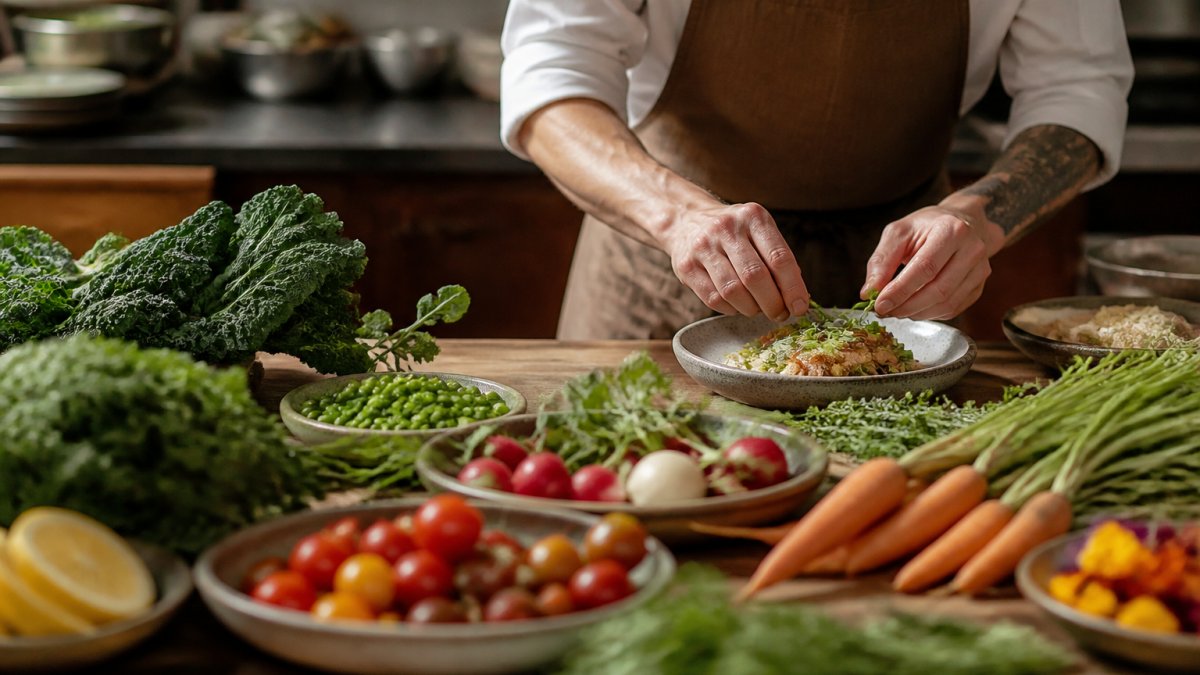
This is not a marketing gimmick. It is a sourcing decision. When a chef buys from local farms, the supply dictates the menu. Peaches show up in summer. Root vegetables carry the winter. The kitchen follows.
The USDA Seasonal Produce Guide tracks what is in season across the country, and it explains why a chef cannot fake freshness. If you want a tomato in January, it traveled a long way to reach you.
How to Spot a Menu Built on Real Seasons
You can usually tell a genuinely seasonal menu from a fixed one in about thirty seconds. Look for these signals:
- Dishes grouped by what is growing now, not by protein type
- A short menu, since fresh ingredients limit how many dishes a kitchen can run well
- Specials that change weekly or even daily
- Few out-of-season items like berries in winter
- Server notes about what just came in from a farm
A menu that never changes is not necessarily bad. It is just not seasonal. The two are different promises.
What to Expect at a Chef-Driven Restaurant: Service, Pace, and the Table
Dinner at a chef-driven restaurant moves at a different rhythm than a quick-service meal. Courses arrive spaced out. Servers know the menu because the chef taught them. The room is built for lingering, not turning tables fast.
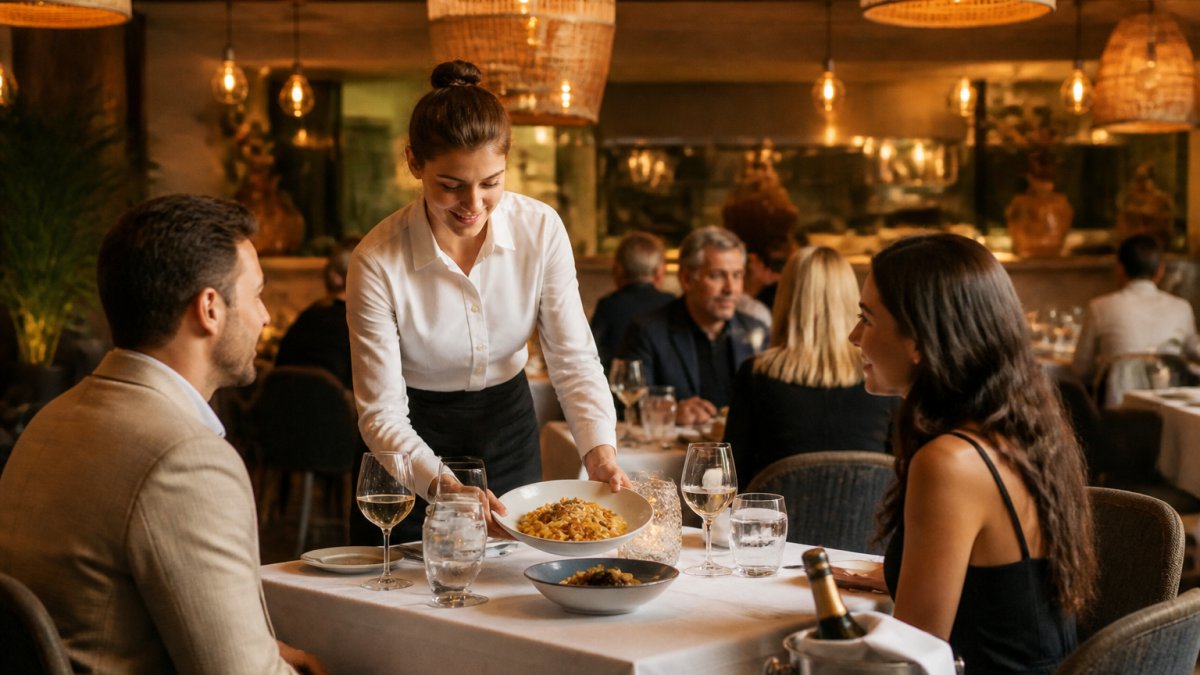
The pace is the first thing regulars notice. Nobody rushes you. A chef-driven kitchen cooks to order, which takes a little longer and tastes a lot better.
Reserve →
Service works the same way. A good server here can tell you which pasta is handcrafted that day and how a dish is finished. They are not reading from a script.
Here is what to expect:
- Courses spaced for conversation, not stacked on the table at once
- Servers who can explain ingredients and make real recommendations
- A quieter room built for date nights and celebrations
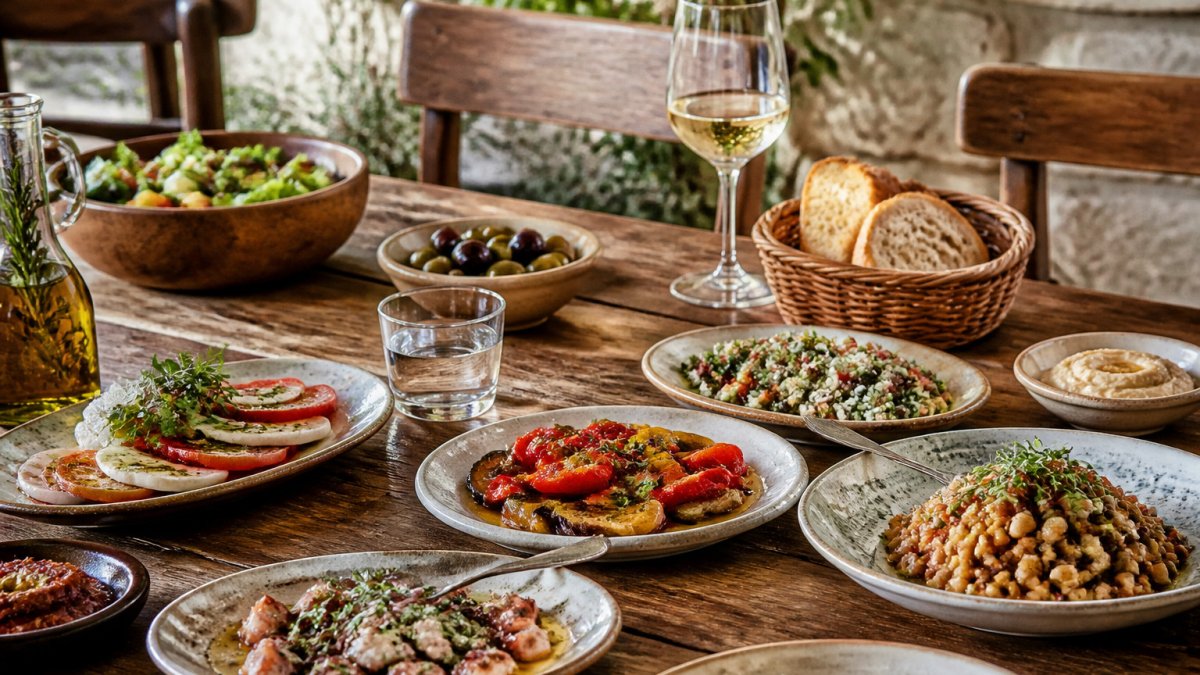
- Plates that look composed, because someone plated them with intent
If you are searching for a chef-driven restaurant near me in the Alpharetta area, this pacing is the biggest adjustment. Come hungry, but come unhurried.
The Kitchen Habits That Keep Quality Consistent
Consistency in a chef-driven kitchen comes from discipline, not luck. The same chef who invents a dish also trains the team to repeat it exactly, night after night.
The fear many diners have is real: a place opens strong, then the kitchen gets lazy. The fix is habit. A chef who tastes every sauce before service catches problems before you do.
A few habits separate kitchens that hold their standard from ones that slip:
- Daily tastings before the doors open
- Written prep standards so any cook can execute the same dish
- A chef present on the line during service, not just in the office
- Regular menu reviews to cut dishes that stop performing
- Relationships with purveyors who get graded on quality, not just price
The FDA Food Code sets the safety baseline every kitchen must meet. Great kitchens treat that as the floor, not the goal.
Is a Chef-Driven Restaurant Worth the Price?
Chef-driven restaurants usually cost more because the ingredients and labor cost more. Handmade pasta takes time. Local produce costs more than frozen. A trained line cook earns more than a fast-food crew.
So what are you actually paying for? Not just the room. You are paying for sourcing, technique, and a chef who is accountable for your meal.
| What You Pay For | Traditional Restaurant | Chef-Driven Restaurant |
|---|---|---|
| Ingredients | Distributor, often frozen | Local farms, trusted purveyors |
| Preparation | Standardized, pre-made parts | Cooked to order, handcrafted |
| Menu | Fixed year-round | Rotates with the seasons |
| Staff | Trained to a checklist | Trained in technique |
| Your experience | Fast and predictable | Slower, crafted, memorable |
For a milestone dinner or a client meeting, that trade is usually worth it. For a quick weeknight bite, maybe not. It depends on what the night is for.
Conclusion
Choosing where to eat comes down to what you want from the night. If you want a fast, predictable meal, plenty of places deliver that. If you want food shaped by a chef's hand, sourced with care, and served at a pace that lets you enjoy it, the difference is worth seeking out.
That is the model we built Siena Restaurant around in downtown Alpharetta. Our kitchen runs on chef-driven Mediterranean and Italian-inspired dishes, handcrafted pasta, seasonal ingredients from local farms and trusted purveyors, and wood-fired flavors. Whether it is a date night, a celebration, or a corporate dinner, we cook to order and let the evening breathe.
Reserve your table at Siena Restaurant and taste what a chef-driven kitchen actually delivers.
Frequently Asked Questions
What does chef-driven mean in a restaurant?
A chef-driven restaurant is one where the head chef shapes the menu, sourcing, and kitchen standards rather than following a corporate playbook. The chef decides what goes on the plate, builds relationships with farms and purveyors, and adjusts dishes as ingredients change. In practice, this means the menu reflects one kitchen's point of view instead of a fixed national lineup. At Siena Restaurant in Alpharetta, that shows up in handcrafted pasta, wood-fired flavors, and Mediterranean and Italian plates built around what is in season.
What makes a chef-driven restaurant different from a regular restaurant?
The clearest difference is who controls the menu. At a traditional chain or casual spot, recipes are standardized so every location tastes the same. At a chef-driven restaurant, the chef has authority to change dishes, swap ingredients, and train the line to a specific standard. That usually means a shorter menu, more daily or weekly changes, and servers who can explain how a dish is made. Seasonal menus in restaurants like these are a signal, not a marketing line.
Are chef-driven restaurants always fine dining?
No. The term describes how the kitchen is run, not the price point or dress code. You will find chef-driven neighborhood spots, bakeries, and casual Mediterranean restaurants alongside white-tablecloth rooms. What stays consistent is the chef's involvement in sourcing and preparation. A chef-driven restaurant can be a weeknight pasta place or a celebration venue, and the same kitchen may handle both a quiet dinner and a 60-person private event without dropping standards.
Are chef-driven restaurants worth the price?
That depends on what you value. Higher prices at a chef-driven restaurant usually cover ingredients bought in smaller quantities from named farms, labor-intensive prep like handcrafted pasta, and a kitchen staffed by cooks trained to a specific standard. If you want a meal you could not easily recreate at home, the premium is doing real work. If you mainly want volume and speed, a traditional restaurant will cost less. Menus and pricing vary, so check the restaurant's website for current details before booking.