 comparison
Is Fine Dining Worth the Price Increase?
Last Updated: October 23, 2026
Quick Summary
Is fine dining worth the price increase depends on context. For special occasions like anniversaries or milestones, fine dining delivers memorable experiences through quality ingredients, trained service, and refined atmosphere that justify the cost. For everyday dining, the investment may not be necessary, but the price difference reflects real operational choices in ingredient sourcing, kitchen expertise, and service standards.
- Fine dining restaurants spend 35-40% of revenue on food costs compared to 28-32% at casual restaurants due to premium ingredient sourcing.
- Fine dining kitchens require specialized staff including sous chefs, pastry chefs, and extensively trained servers, increasing labor costs significantly.
- Seasonal menus in fine dining prioritize ingredient quality and peak freshness over year-round consistency.
- Fine dining typically operates with lower table turnover, with guests spending around two hours versus 45 minutes at casual restaurants.
- Quality fine dining is most valuable for special occasions and celebrations where the curated experience and attention to detail create lasting memories.
Table of Contents
- What Makes a Restaurant Fine Dining
- Fine Dining vs Casual Dining: Where Your Money Goes
- The Real Cost Drivers Behind Fine Dining Prices
- Seasonal Menus in Fine Dining: Quality Over Consistency
- Is Fine Dining Worth It for a Special Occasion
- How to Know You're Getting Your Money's Worth
- Conclusion
- Frequently Asked Questions
What Makes a Restaurant Fine Dining
Fine dining is defined by a combination of exceptional food quality, refined service, and an elevated atmosphere that transforms a meal into a memorable experience.
The distinction between fine dining and casual dining goes beyond a dress code. It's about intentionality. Every element, from how a plate is composed to how a server explains the evening's specials, reflects a commitment to excellence. Fine dining establishments invest in skilled kitchen staff, premium ingredients, and service training that casual restaurants simply don't require.
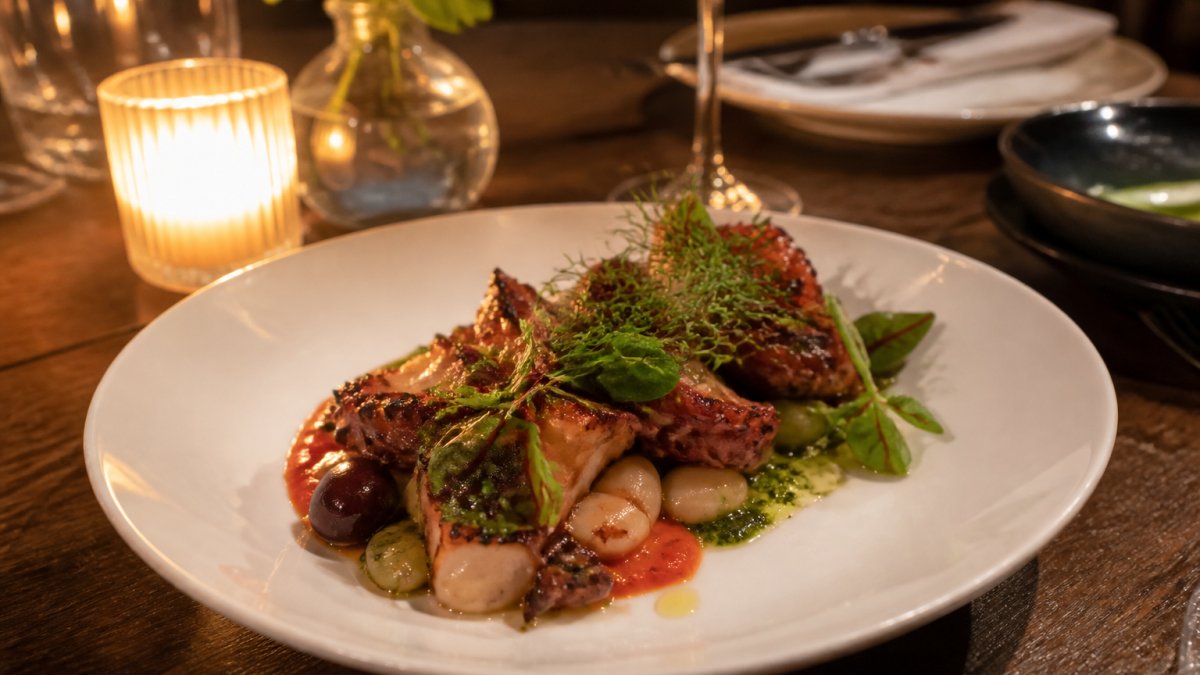
What separates fine dining from other restaurant experiences is consistency. A truly fine dining restaurant doesn't have off nights. The kitchen maintains standards regardless of how busy the night is. Servers understand the menu deeply enough to guide guests toward pairings and preparations that match their preferences.
This level of precision requires training, systems, and a kitchen culture that prioritizes craft. It's why fine dining costs more. You're not paying for a larger portion or fancier plating alone. You're paying for expertise, consistency, and an environment designed to make you feel valued.
Fine Dining vs Casual Dining: Where Your Money Goes
When you compare a fine dining experience to casual dining, the price difference becomes clearer when you understand where the money actually flows. Fine dining restaurants allocate budgets differently across every operational category.
Casual dining prioritizes volume and efficiency. Tables turn quickly. Staff are trained to be friendly but efficient. Ingredients are selected for consistency and cost-effectiveness. Portion sizes are generous because food cost is a smaller percentage of the total price.
Fine dining operates on a different model. Food costs run higher, sometimes 35-40%, because premium ingredients cost more and waste is minimized through careful portioning and technique.
Labor costs also differ significantly. Fine dining kitchens employ specialized roles: a sous chef, a pastry chef, dedicated prep cooks. Servers undergo months of training. Hosts are trained to manage reservations and timing with precision.
The physical space reflects different priorities too. Fine dining invests in ambiance: proper lighting systems, acoustics that prevent noise from overwhelming conversation, table spacing that ensures privacy. Casual dining prioritizes seating capacity. Every square foot generates revenue through turnover.
Here's the practical reality: a fine dining restaurant cannot achieve its standards at casual dining prices. If you want handcrafted pasta, seasonal menus, trained servers who know wine, and an intimate atmosphere, someone has to pay for those elements.
The Real Cost Drivers Behind Fine Dining Prices
Several specific factors determine why fine dining prices are what they are. Understanding these helps you evaluate whether the price is justified for your situation.
Ingredient Quality and Sourcing
Fine dining restaurants source ingredients differently than casual establishments. They work with specialty purveyors, often buying smaller quantities to ensure freshness.
Seasonal sourcing adds another layer. When a restaurant commits to using seasonal ingredients, it means the menu changes. The kitchen can't simply order the same ingredients year-round.
Kitchen Expertise and Labor
A fine dining kitchen requires specialized skills. The chef has likely trained for years, possibly apprenticed in other fine dining kitchens or traveled to learn techniques.
Training also costs money. A fine dining restaurant invests in developing junior staff, teaching them standards and techniques. Casual restaurants hire people who already know how to work quickly and efficiently.
Service Standards
Fine dining servers are trained differently. They learn to read tables, anticipate needs, and explain dishes with authority. They understand wine pairings or can make recommendations based on the chef's intentions.
Operational Overhead
Fine dining restaurants often operate with lower table turnover. A casual restaurant might seat a table, serve, collect payment, and reset in 45 minutes (Data: The optimal table turnover time is 45 minutes).
Many fine dining restaurants also maintain higher standards for cleanliness, maintenance, and equipment. The dishware, glassware, and linens are upgraded. The kitchen equipment is commercial-grade and regularly serviced. These details add up.
Seasonal Menus in Fine Dining: Quality Over Consistency
One of the most misunderstood aspects of fine dining is the seasonal menu. Many guests ask why their favorite dish isn't available. The answer reveals something fundamental about how fine dining prioritizes quality.
A seasonal menu means the restaurant commits to using ingredients at their peak. Tomatoes in summer taste completely different from tomatoes in January. A fine dining kitchen recognizes this and builds the menu around what's available and excellent right now, not what can be sourced year-round.
This approach has real consequences. The kitchen must develop new recipes every few months. Servers learn new descriptions and pairings. The restaurant might disappoint guests who came for a specific dish.
Casual and mid-range restaurants avoid this complexity by maintaining consistent menus. They source from broad distributors who can supply the same ingredients year-round. The tomato sauce tastes the same in July and December because it's built for consistency, not seasonality.
Reserve →
At Siena Restaurant in Alpharetta, seasonal menus mean you're getting Mediterranean and Italian cuisine as it's meant to be eaten, aligned with what grows and thrives locally and regionally. This commitment to quality over consistency is a defining characteristic of fine dining.
Is Fine Dining Worth It for a Special Occasion
The question of whether fine dining is worth the price often comes down to context. For a special occasion, the calculation shifts.
Consider what you're actually purchasing: a curated experience designed to mark a moment as significant. A fine dining restaurant creates an environment where you feel celebrated. The service anticipates your needs. The food is presented thoughtfully.
For an anniversary, proposal, or milestone birthday, this matters. You're not just eating, you're creating a memory. The refined atmosphere, the attention to detail, and the quality of the food all contribute to that memory.
The value isn't just in the food. It's in feeling that the restaurant takes your occasion seriously. That the kitchen is putting extra care into your meal. That the server is attuned to the mood and timing of your evening.
If you're visiting Alpharetta for a celebration, a fine dining experience at a restaurant like Siena Restaurant offers something you can't replicate at a casual establishment. The handcrafted pasta, the seasonal Mediterranean plates, and the refined atmosphere combine to create an occasion worth remembering.
For everyday dining, the calculation is different. You might not need fine dining every week. But for a special occasion, the price increase becomes an investment in an experience rather than simply a meal.
| Occasion Type | Fine Dining Worth It? | Reason |
|---|---|---|
| Anniversary or milestone | Yes | Creates memorable experience aligned with significance of the date |
| Celebration with close friends | Yes | Elevated atmosphere and service enhance the social experience |
| Client or business dinner | Yes | Professional setting signals respect and importance |
| Casual weeknight | Maybe | Depends on budget and frequency preferences |
| Quick lunch | No | Service pace and pricing don't match the use case |
How to Know You're Getting Your Money's Worth
Not all fine dining restaurants deliver the same value. Some charge premium prices without justifying them through quality or service. Here's how to evaluate whether a fine dining experience is actually worth the price.
Examine the Ingredients
Ask about sourcing. A restaurant that can explain where ingredients come from is likely investing in quality.
Evaluate the Menu
Does the menu change seasonally? Are descriptions detailed enough to suggest real thought went into each dish? A menu that reads like marketing copy ("succulent chicken breast") rather than actual descriptions suggests less care.
Assess the Service
Quality service is subtle. It's not about being fussy or formal. It's about anticipation. Does the server notice when your water glass is half-empty before you do?
Check the Atmosphere
Is the restaurant designed to facilitate conversation, or is it so loud you can't hear your companion? Are tables spaced thoughtfully? Is the lighting flattering but not so dim that you can't read the menu?
Review the Pricing Structure
Does the price feel proportional to what you're receiving? Fine dining isn't cheap, but it should feel justified. If you're paying fine dining prices but getting casual dining portions and service, that's a mismatch.
Ask About Consistency
How long has the restaurant been operating? How often does the chef change?
Conclusion
Is fine dining worth the price increase? The answer depends on what you're seeking and how often you dine out. For special occasions, when you want to create a memorable experience, fine dining delivers value that casual restaurants can't match. The investment in quality ingredients, trained staff, and thoughtful atmosphere translates into an experience worth remembering.
For everyday dining, the calculus is different. You might not need or want to spend that much every week. But dismissing fine dining entirely misses the point. The price difference reflects real operational choices and genuine quality differences, not just markup.
At Siena Restaurant in Alpharetta, fine dining means handcrafted pasta made fresh, Mediterranean plates built around seasonal ingredients sourced from local farms and trusted purveyors, and a refined yet inviting atmosphere designed for gathering. Whether that's worth the price depends on your situation, but the value is there if you're looking for it.
When you're ready to experience fine dining that justifies the investment, Siena Restaurant offers exactly that. Make your reservations for an evening that will stay with you.
Frequently Asked Questions
Is fine dining worth the higher price?
Fine dining justifies its cost through several factors: ingredient quality, technical skill, service expertise, and atmosphere. You're paying for handcrafted preparation, sourced ingredients from trusted purveyors, and trained staff who understand flavor profiles and wine pairings. The experience extends beyond food to ambiance and attention to detail that create memorable moments, particularly valuable for celebrations and important occasions.
What makes a restaurant fine dining versus casual?
Fine dining restaurants distinguish themselves through chef-driven menus, refined plating, seasonal ingredient sourcing, trained service staff, curated beverage programs, and thoughtful ambiance. Casual dining prioritizes comfort and accessibility. Fine dining emphasizes culinary artistry, technical execution, and hospitality as a complete sensory experience rather than simply providing a meal.
Why do fine-dining restaurants change their menus seasonally?
Seasonal menus reflect ingredient availability and quality. Chefs source fresh, peak-season ingredients from local farms and trusted purveyors, which taste better and cost less at harvest. This practice supports sustainability, reduces waste, and allows chefs to showcase ingredients at their best. Seasonal menus also prevent kitchen laziness, they require constant creativity and skill to develop new dishes, maintaining consistency in quality.
Is fine dining worth it for a special occasion?
For celebrations like anniversaries, milestone events, or important client dinners, fine dining delivers distinct value. The refined atmosphere, attentive service, and carefully crafted culinary experience create a memorable setting that casual restaurants cannot match. The investment becomes worthwhile when the occasion demands an experience that feels elevated and intentional, turning the meal into a meaningful memory.